Tuesday, November 3, 2015

AP psych pd. 3 Blazey

Kara Blazey
Closure: The illusions of seeing an incomplete stimulus as though it were a whole; humans tend to look for recognizable objects or patterns and are able to perceive them from incomplete pictures.
Ex: in the picture, the entire plane is not drawn but you still know that it is a plane.
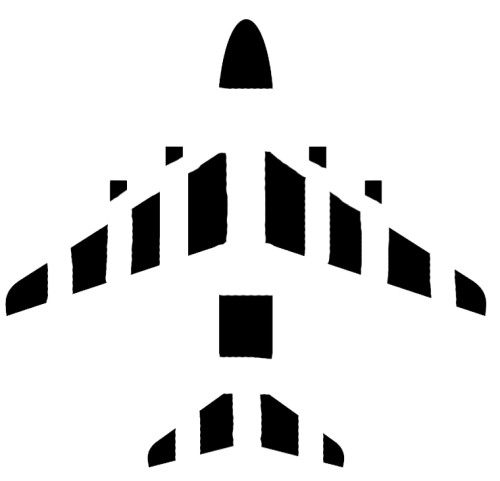


Continuity: the eye is compelled to move through one object and continue to the next; continuous lines or patterns that don’t break and are seen as a whole.
                Ex: or mind leads us to believe the lines in the picture flow in one direction


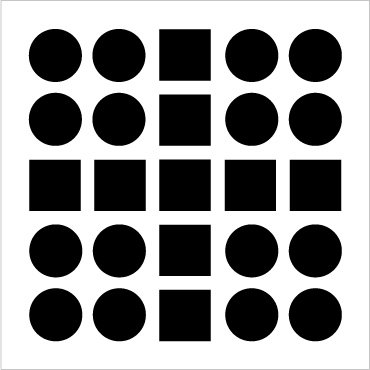
Similarity: a person can normally recognize stimuli that have physical resemblance at the same degree as part of the same object.
Ex:  together, the squares and circles make one large square but they are each individually squares and circles.   


Proximity: people perceive that stimuli are close to one another by grouping them and recognizing them as part of the same object; stimuli that are placed far apart are recognized as different objects.
Ex: the eagle head as shown in the picture, has a similar base to the sun that is on top of it, this gives off the impression that they are a part of the same image/shape, but if they were not placed as close together we would see them as two different pictures.

Grayson Kinsey
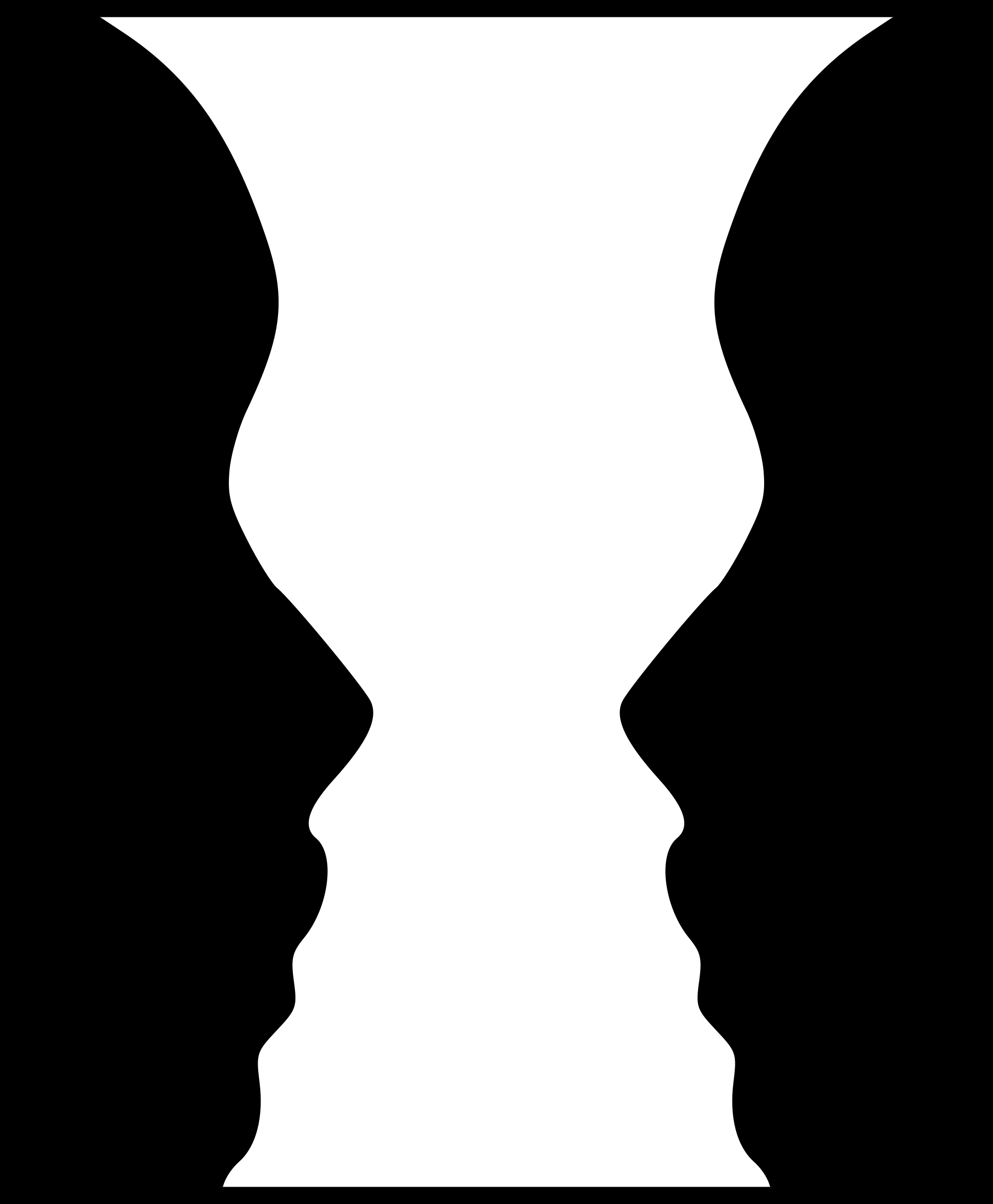
Figure: ground organization is a perceptual law, that is known as identifying a figure from the background. It is a property of perception in which there is a tendency to see parts of a visual field as solid, well-defined objects standing out against a less distinct background. For example, you see words on a printed paper as the "figure" and the white sheet as the "background”, the perception part is which you see first, or what your eyes are first drawn to.
Another Example:
This works as an example because some viewers might be drawn to the white potion of the picture, which looks like the background, making them see the vase figure. Where as, others might be attracted to the black portion of the picture appearing more frontward, making them more likely to see two faces.


Stroboscopic motion: is a visual phenomenon caused by aliasing that occurs when continuous motion is represented by a series of short samples. Stroboscopic motion is an illusion when lights or images are flashed quickly and the brain perceives them as moving. A great example of stroboscopic motion would be a flip book.


Example:
One image is quickly replaced by another image with slight alteration to the original, resulting is a “motion” picture. The brain perceives these flashing images as a whole rather than seeing the pictures as separate images.


Phi Phenomenon: is motion perceived by a subject, especially the illusion of movement produced when stationary stimuli, as pictures or lights, are presented in rapid succession and are sometimes in slightly different positions.

Example: The brain perceives the lights that are hanging off the tree as moving, when it is really the flash of light traveling down the rod. The rod is not moving at all, even though your brain makes you think that.  


 A reversible figure: is an ambiguous two-dimensional drawing that represents a three-dimensional object in such a way that it can be seen from two different perspectives.

Example:
A reversible cube, consists of two squares that represent the front and back side of the cube. The figure is reversible because the front and back squares appear to switch places creating two possible perspectives, the perspective of viewing the cube from beneath or the perspective of viewing the cube from above.


Rachael Barrick

Depth Perception: There are two types of cues that go along with depth perception. One of these is Monocular Cues. This kind of cue uses one eye, and it is all about size shape, how tall something is and the motion it performs. The second cue is called Binocular. This cue is when you are using two eyes to create two viewpoints. There is also a cue for when you are using a mix of both. Movement in depth perception is when the observer can notice that an object is moving, for example closer to them by seeing that the object is getting bigger which would mean that it is moving closer. With this the size of something along with height will vary because of how far away something is to change how you perceive it. Along with Monocular Cues comes interposition. This is when two objects overlap to make us perceive that there is depth with an object. For example with a cube it is really just a bunch of overlapping squares. Texture Gradient in Monocular cues is when something is further and further away so we perceive it as being more soft and smoother when it is far but rougher when it is more near to us.

Example: This train track is an example of monocular cues because as the track gets further and further away it slowly starts to disappear into the distance.


Size Constancy: The perception of an object will not change regardless of what may appear as the change in size on the retina.


Glynnis Carter
Brightness Constancy:
The color black only reflects 10% of light that falls on it, while white reflects 90%. In other words, a white object with a shadow cast on it may be the exact same color as a black object in full sunlight, but the white object will always appear to be lighter. For example, my friend and I are going on a hike. She is wearing a dark gray shirt, and I am wearing a white shirt. My friend climbs to a point where there is full sunlight, while I stay under the shady trees. The shadow makes my white shirt appear darker, ultimately making our shirts identical in color, but because of brightness constancy, my shirt will still appear lighter.
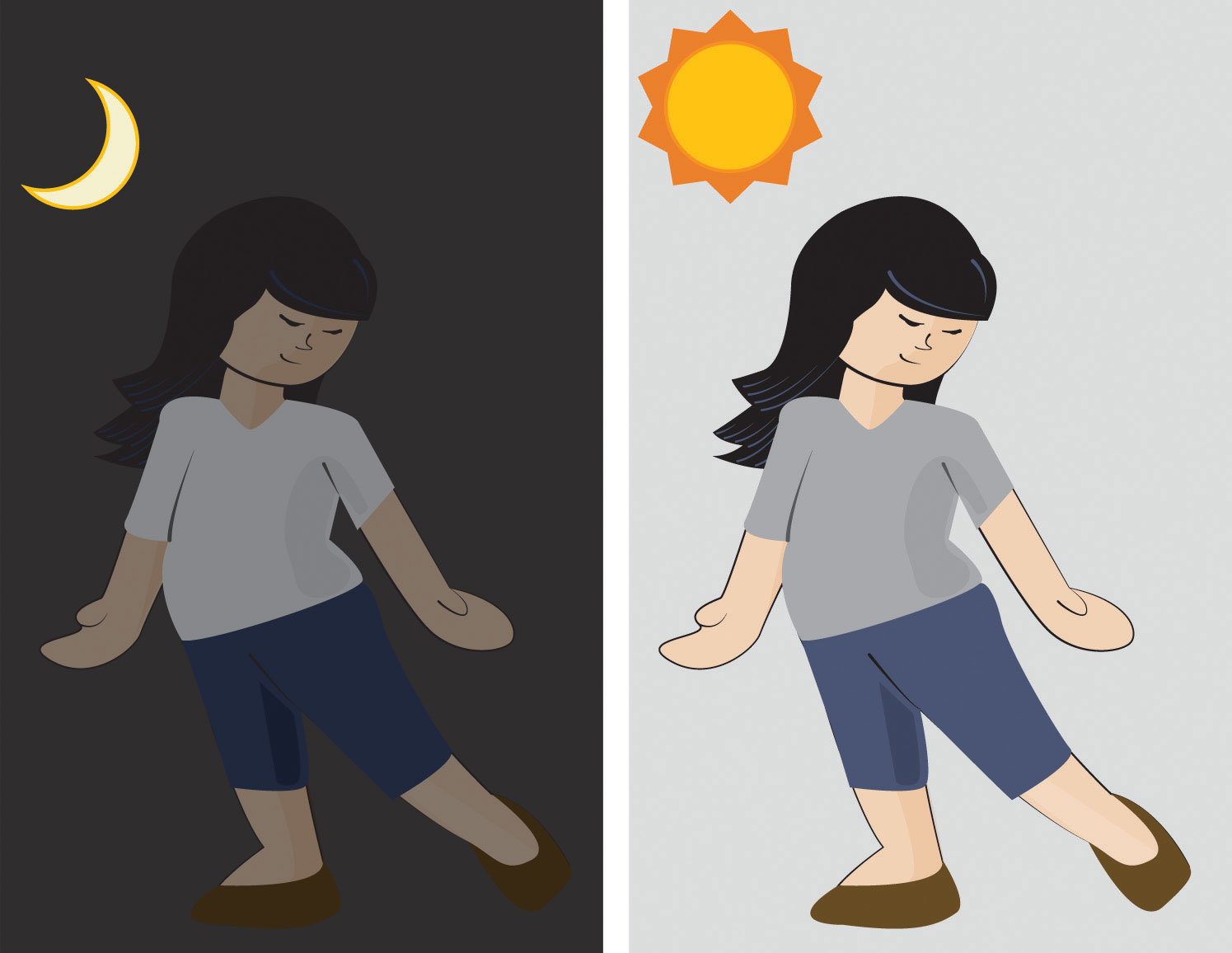
Shape Constancy:
When looking at an object from a certain angle, we see a shape. Sometimes, as we change our angle of vision, the shape of the object appears to be different, but we still see it as its original shape. An example of this could be looking at a billboard. When looking straight on at the billboard, we see a rectangle. When walking 45 degrees, the shape of the billboard appears to be different, but we know a billboard is supposed to be rectangular, so that’s how we see it.


Visual Illusions:
Visual Illusions are pictures strategically set up to alter the way we use our senses. The brain will see the picture and process it one way, but it may miss another meaning. The way a picture is drawn can make the picture appear to be moving, that is an illusion because the picture is still


works cited:


http://fulcherlab.academic.wlu.edu/files/2014/01/optical-illusion-4.png


https://blogger.googleusercontent.com/img/b/R29vZ2xl/AVvXsEhnE5nOJCMw9GxeA_2PxFbXXSiU07XOEQ70-sjl8Sxwt5VI6LKrXrA5_X_sW_lGrXzPYyWpGj1htlBomImuZVcUFNI8UsdbhLqqmy_Dy55sdLcyW7fGD_06iRm6LMAKLXtxCbZjGWVt-N7J/s320/necker_cube.gif


Wednesday, April 1, 2015

Rear Window

Rear Window analysis:

In the famous pan scene in Rear Window by Alfred Hitchcock, many of the characters are introduced to the audience. We find out a little bit about the background of these characters. The viewer gets too peak into the lives of each of these characters. The audio plays a part in discovering the characters such as hearing a few lines that they say, or just the sound of their activities. 


I thought the movie was very well done and entertaining as the entire movie is shot through the window of Jeffery's apartment.The element of sound was always present through out the film which helped to add interest and have the shots flow together. I would recommend this film to anyone because the panning shots, acting, and audio are all done extremely well.


Monday, March 9, 2015

fixing audio

To change the audio you need to adjust the volume of each track specifically the second and third track. You cannot fully fix the the second audio because it is too quite, and the third is poor quality. The audio level that you should want to use is -12 db.

Monday, March 2, 2015

Avant Garde

Avant Garde: inspiration 


resolution: the detail an image holds. The term applies to raster digital images, film images, and other types of images. Higher resolution means more image detail.
aspect ratio: describes the width and height of a cinema or television screen, or the size in which a film has been shot and should be projected.


Review: I believe that as a group we did a really good job shooting this film and creating the story board. We followed rule of thirds, experimented with white balance, used different shot angles, and incorporated shots and techniques we learned in class. When I edited the film by myself, I learned how to used new effects, layer clips, and change speeds to create a more interesting film. I also used garage band to create audio for the film. Next time I want to be more comfortable when using effects on video clips and to spend more time creating a better audio for the film. Overall I think I have improved on my editing skills and have more of an idea of how I want my film to look like and I have put together a film I am proud of. 


Wednesday, December 3, 2014

Dada Film


How does Dada film do it's job of taking art into the 20th century by moving images?

The beginnings of Dada correspond to the outbreak of World War I, and the movement itself could be seen as a reaction to the catastrophe. While most of the European poets and painters joined the war propaganda and glorified the war as the climax of European culture, Dadaists attempted to undermine the cultural values and social myths that WWI promoted. The Dadaists tried to emancipate their audience from cultural idols, taboos, and norms by creating and participating in art that worked to become public manifestations that provoked the audience to become “Dadists” for a brief moment in time. 

most of the dada films seem to have moving inanimate objects,repetition of objets and people, formal and informal balance, and forms of variety along with unity.    

Tuesday, December 2, 2014

kuleshov effect

Kuleshov effect:

a film editing (montage) effect demonstrated by Russian filmmaker Lev Kuleshov in the 1910s and 1920s.It is a mental phenomenon by which viewers derive more meaning from the interaction of two sequential shots than from a single shot in isolation.

(close up of actor, then cuts to a shot of something the actor is thinking about, or looking at. then show them one after another so the audience assumes thats what the actor is looking at or desiring.) 

Tuesday, November 18, 2014

metropolis analysis

Metropolis Final Analysis:


  • Fritz Lang (opening credits)
  • wanted to make a film that would make an impression on the American market (googled it)
  • He (Fritz Lang), wanted to make the biggest film of that time period. (googled it)
  • this film was made for a large audience of people, it addresses the audience by keeping them entertained with the urban/modern aspects and setting of the film and interesting camera movement and angles. (googled) 
  • this film was made in a higher society setting and environment due to its large intricate sets, costumes etc... (the film)
  • German expressionist (class work) 
  • Star Wars C3PO is very similar to the robot figure in metropolis (imdb)

Monday, November 10, 2014

Twilight chase scene

Twilight Chase Scene


I felt that this project was done pretty well and up to standards as our first "real" film for this class.I felt that rule of thirds and camera angles were used in every shot as it was required. Thing that could have been better were the quality of the shots and we should have planned our story board out a bit better. For our next project i plan to have sound to go with the video and to plan out our shots better. Overall I am very happy with the way this turned out.

Monday, November 3, 2014

German Expression Movement

The Golem: 

1920
Carl Boese and Paul Wegener 
madness,anti-hero, contrast, variety
inspired floating rings in Metropolis


Metropolis:
1927
Fritz Lang 
urbanization, sci-fi
inspired C3PO in Star Wars


Pandora's Box
1929
Georg Wilhelm Pabst 
anti-hero, framing, contrast
inspired comic strip Dixie Dugan

Monday, September 29, 2014

camera angles

establishing shot: a usually long shot in film or video used at the beginning of a sequence to establish an overview of the scene that follows

variety 


long shot: The camera is a considerable distance from the subject(s) being filmed.  The whole human figure from head to feet is included in the frame, with the surrounding environment very visible.


informal balance


medium shot: A human subject in MS is generally shown from the waist up; background begins to be visible and potentially important, and two-shots are possible.


repetition of vertical lines
(:9)


eye level shot: The camera is located at normal eye level (five to six feet from ground level) in relation to the subject.  Unless otherwise noted in the script, the camera will automatically be set up at eye level.  When analyzing a scene, eye-level shots do not need to be indicated as such; the reader will assume that this is the position of the camera, unless otherwise indicated.


leading lines


close up shot: The camera is close to the subject, so that when the image is projected most of the screen shows a face and its expression, or some relatively small part of a larger whole.


horizontal lines


birds eye shot: the camera is placed directly over the subject.


(:13) formal balance


worm's eye view: view of an object from below, as though the observer were a worm


(:56) scale


extreme close up: A minutely detailed view of an object or a person. An extreme close-up of an actor generally includes only his eyes, or his mouth.


movement


reaction shot: A cut to a shot of a character's reaction to the contents of the preceding shot.


(:47) variety


point of view shot: Any shot which is taken from the vantage point of a character in the film. Also known as the first person camera.


repetition of horizontal lines


over the shoulder shot: A medium shot, useful in dialogue scenes, in which one actor is photographed head-on from over the shoulder of another actor.


(:14) horizontal lines

Wednesday, September 24, 2014

camera movements

Zoom: It involves changing the focal length of the lens to make the subject appear closer or further away in the frame. 

How its used: to make the subject appear closer or further away in the frame; effectively magnifying a part of the images, shows the context of the setting or where the subject is located.


Pan: Moving the camera lens to one side or another.(to follow a subject or scan a scene)

How its used: This is a swiveling movement, i.e. mounted in a fixed location on a tripod or shoulder, rather than a dolly-like movement in which the entire mounting system moves.


Tilt: the camera is aimed sideways along a straight line. Note that the camera itself is not moving. It is often fixed on tripod, with the operator turning it either up or down

How its used: if you mount a camera on your shoulder and nod it up and down, you are tilting the camera. Used to show how big things are (height) looking up shows power looking down shows lack of power


Tracking: Tracking is often more narrowly defined as movement parallel to the action, or at least at a constant distance

How its used: Move the camera physically to the left while maintaining its perpendicular relationship. Natural movement, can look through rooms to follow subjects


Dolly: Motion towards or motion from. (The phrase dolly-in means step towards the subject with the camera, while dolly-out means to step backwards with the camera, keeping the zoom the same.)

How its used: The camera is mounted on the dolly and records the shot as it moves. More natural movement than zoom, reveals info in the shot


Thursday, September 18, 2014

composition


I think for our first time using the cameras and equipment we did a really good job. We could have done a bit better by using different and better camera angles and we could have been more creative with shots. Overall it was well done but could be even better with slight improvements, such as a better use of rule of thirds. For the next film, hopefully  I will have a better feel for the camera a editing software so I can produce a abetter/more advanced film. I recommend to anyone producing a similar film to check camera angles and height, and make sure everyone is in the right place before hooting your film. Don't forget to say rolling, action, and cut. Always keep in mind putting people on points of emphasis and the rule of thirds, it is more important than you think.

Thursday, September 4, 2014

principles of design

PHOTOGRAPHY AS ART

Photography is more than combining cameras, lenses, and film; it is about using those tools in combination with the elements and principles of design to create visual art.  Understanding how to use the elements and principles will turn your “snap shots” into photographic works of art.  Define the following terms.

Elements of Design
Line:
·      Leading
Leading lines are lines within an image that leads the eye to another point in the image, or occasionally, out of the image.
o    
·      Vertical
being in a position or direction perpendicular to the plane of the horizon
o    
·      Horizontal
a horizontal line in an image that conveys a message of ‘stability’ or even ‘rest’.
o    
·      Diagonal
suggest a feeling of movement or direction
o    
·      Curved
 Curved lines do vary in meaning, however. Soft,
shallow curves
 suggest comfort, Deep, acute curves, on the other hand, suggest confusion, 

o    


http://char.txa.cornell.edu/language/element/element.htm use this website to figure out what each type of line represents.

Principles of Design
Balance:
Symmetrical The parts of an image or object organized so that one side duplicates, or mirrors, the other. Also known as formal balance
·       
Asymmetrical also called informal balance, is more complex and difficult to envisage. It involves placement of objects in a way that will allow objects of varying visual weight to balance one another around a fulcrum point.
·       
Unity: unity occurs when all of the elements of a piece combine to make a balanced, harmonious, complete whole.


Variety: variety is to combine different elements (differences in shape, color, line, textuture...) into one composition
Movement / Rhythm:  caused by using elements under the rules of the principles in picture to give the feeling of motion and to guide the viewer's eyes throughout the artwork.

Emphasis: an area or object within the artwork that draws attention and becomes a focal point.

Proportion / Scale: the size of an object (a whole) in relationship to another object (another whole). 

Repetition / Pattern: An element that occurs over and over again in a composition.


Making Choices
Point of View:
bird’s eye an elevated view of an object from above, with a perspective as though the observer were a bird
·       
worm’s eye a view as seen from below or from a humble position.
·       
Rule of Thirds: applied by aligning a subject with the guide lines and their intersection points, placing the horizon on the top or bottom line, or allowing linear features in the image to flow from section to section.

Framing:  the presentation of visual elements in an image, especially the placement of the subject in relation to other objects. 

Simplicity: the quality or condition of being plain or natural